March 10, 2026
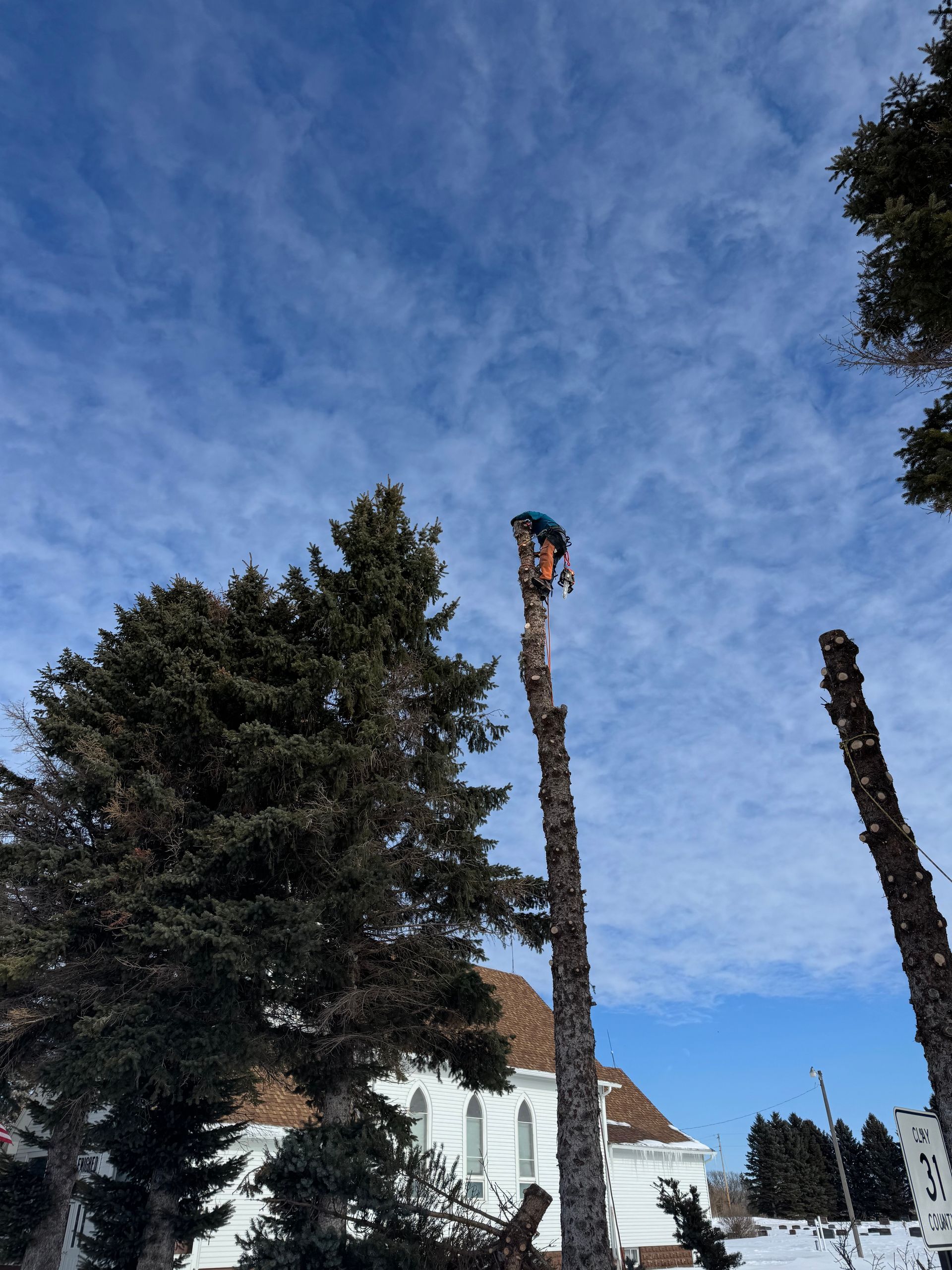
Understanding the impact of tree removal on both safety and property value is crucial for homeowners and property managers. Done thoughtfully and strategically, removing problematic trees serves as a powerful tool for creating a safer environment and enhancing the economic value of a property.
Enhance Safety by Removing Hazardous Trees
One of the primary concerns for homeowners is the risk posed by weak, dead, or structurally compromised trees. Falling branches — especially after storms or heavy winds — can cause serious injuries and significant property damage. Professional removal of these hazards eliminates the threat before an accident occurs, giving property owners genuine peace of mind. Regular inspections by certified arborists help identify vulnerable trees early so that timely action can be taken.
Trees with shallow or compromised root systems present another serious danger. During severe weather, these trees are susceptible to being uprooted, potentially damaging homes, fences, and vehicles. Proactive tree removal of at-risk trees shields infrastructure from harm while also highlighting the importance of routine health assessments. Beyond structural hazards, trees growing near power lines create electrical risks that demand prompt attention. Working closely with local utilities to manage these trees through scheduled removal reduces the potential for outages and fires, contributing to broader public safety.
Reduce Pest Activity and Improve Visibility
Overgrown trees near roadways and intersections can obstruct the sightlines of both drivers and pedestrians, increasing the likelihood of accidents. When branches extend over signage or dense canopies block traffic lights, reaction times are shortened and hazards go unnoticed until it is too late. Strategic tree removal in these areas significantly improves visibility along transit routes, reduces blind spots at critical junctions, and allows streetlights to illuminate paths more effectively at night. Driveways and walkways that were once shadowed by overhanging limbs become safer and more navigable for residents and visitors alike. Property owners can leverage this approach to create safer commuting and lifestyle environments for their households and neighbors, while also reducing their exposure to liability if an obstructed sightline contributed to an incident on or near their property.
Trees located close to homes can also attract pests and wildlife, including squirrels, raccoons, and certain birds that nest in dense canopies. Once these animals establish a presence near a structure, they can find their way into attics, crawl spaces, and walls, causing costly damage and creating unsanitary conditions. Overhanging branches act as natural bridges that give pests direct access to rooftops, making tree removal a practical first line of defense. Beyond structural concerns, standing moisture beneath thick canopies creates the damp, shaded conditions that mosquitoes, termites, and other insects need to thrive. Addressing these conditions through targeted removal supports a more harmonious relationship with local wildlife while protecting residents from the health and safety risks associated with infestations.
Balance Environmental Responsibility with Removal
While a removal addresses immediate safety and property concerns, it must be balanced with thoughtful environmental stewardship. Trees play a pivotal role in local ecosystems by supporting biodiversity and contributing to overall environmental health. Careful planning — including phased removals, replanting efforts, and consulting with ecological experts — helps ensure that essential habitats are preserved or replaced. Property owners who engage with these considerations protect their surroundings without undermining the ecological integrity of their landscape.
Soil erosion is another factor to address after tree removal, particularly on slopes or areas with loose earth. Without the stabilizing root systems of removed trees, rainfall and wind can erode topsoil quickly. Planting ground cover, installing erosion control measures, or seeding cover grasses helps restore the protective layer over exposed soil. Additionally, responsible disposal of tree debris — such as chipping material into mulch or repurposing wood — minimizes waste and supports sustainable land management practices.
Boost Property Aesthetics and Curb Appeal
Tree removal can meaningfully transform a landscape, opening space for creative design opportunities that increase a property's visual appeal. Removing overgrown or poorly positioned trees makes room for new plantings, hardscaping elements, water features, and functional outdoor spaces such as patios and gardens. These improvements enhance the overall atmosphere of a property and make it more inviting to both residents and prospective buyers. According to the U.S. Department of Agriculture, approximately 25% of residential property owners had removed one or more trees from their property within a recent five-year period, reflecting the widespread recognition of well-maintained landscapes as a priority.
Improving curb appeal through strategic removal also helps align a property's exterior with modern architectural aesthetics. Clean lines and open spaces — hallmarks of contemporary design — are often obscured by dense or dated tree placements. By removing mismatched or unhealthy trees, homeowners create a polished façade that reflects strong property maintenance and appeals to today's design market. This alignment between landscaping and architecture creates a cohesive visual experience that resonates with potential buyers and ultimately supports higher resale value.
Navigate Legal and Regulatory Requirements
Before undertaking any removal project, property owners must understand the local ordinances and regulations that govern the process. Different municipalities have specific rules about which trees can be removed, permit requirements, and replacement policies designed to maintain urban canopy levels. Failing to comply with these regulations can result in fines, penalties, or mandatory restoration orders. Researching local guidelines or consulting with a professional arborist ensures that all removal activity proceeds legally and smoothly.
Environmental laws add another layer of consideration, particularly in areas involving protected species or ecologically sensitive zones. Compliance may require formal impact assessments and preservation strategies before removal can begin. Neighbor disputes can also arise when trees sit on or near shared property boundaries, making clear communication and an understanding of shared ownership rights essential. Proactive dialogue — and mediation when needed — fosters community goodwill and prevents conflicts from escalating into legal matters.
Assess Costs, Benefits, and Long-Term Value
The cost of professional tree removal varies based on tree size, location, and the complexity of the job. While this represents a meaningful upfront investment, it must be weighed against the long-term financial benefits — including prevented property damage, reduced maintenance costs, and increased market value. Obtaining multiple quotes from reputable services helps homeowners plan effectively and ensures the investment aligns with their property goals. Consulting a realtor or appraiser can also provide clarity on how specific removals are likely to affect market valuation.
Effective risk management is equally important throughout the process. Identifying potential hazards, using professional supervision, and considering insurance options for liabilities that may arise during removal all contribute to a safer and more cost-effective outcome. With proper planning, regular tree health assessments, and the selection of a qualified tree service, property owners can approach the removal with confidence — protecting both their financial investments and the long-term integrity of their landscape.
Plan for Post-Removal Landscaping and Community Engagement
After the removal is complete, monitoring site conditions ensures continued ecosystem health and landscape vitality. Regular checks for erosion, soil compaction, or regrowth help maintain the improvements made. Strategic planning for future landscaping — incorporating biodiversity, sustainability, and functionality — maximizes the value created by the removal. Collaborating with a landscape architect can help homeowners visualize designs that align with both personal preferences and market appeal.
Clear communication with neighbors and local stakeholders about planned removals helps manage expectations and minimize disruptions. Informing the community in advance and remaining open to dialogue reflects a commitment to neighborhood well-being and builds the goodwill needed for a smooth process. Community involvement can also create opportunities for collaborative restoration projects that generate broader environmental and social benefits.
If you are ready to improve the safety and value of your property through professional tree removal, contact us at Jake's Tree Service today. We will help you assess your trees, navigate local requirements, and complete the job safely and efficiently.